Flesh-Eating Bacteria Explained: Symptoms, Causes, Treatment & How to Stay Safe
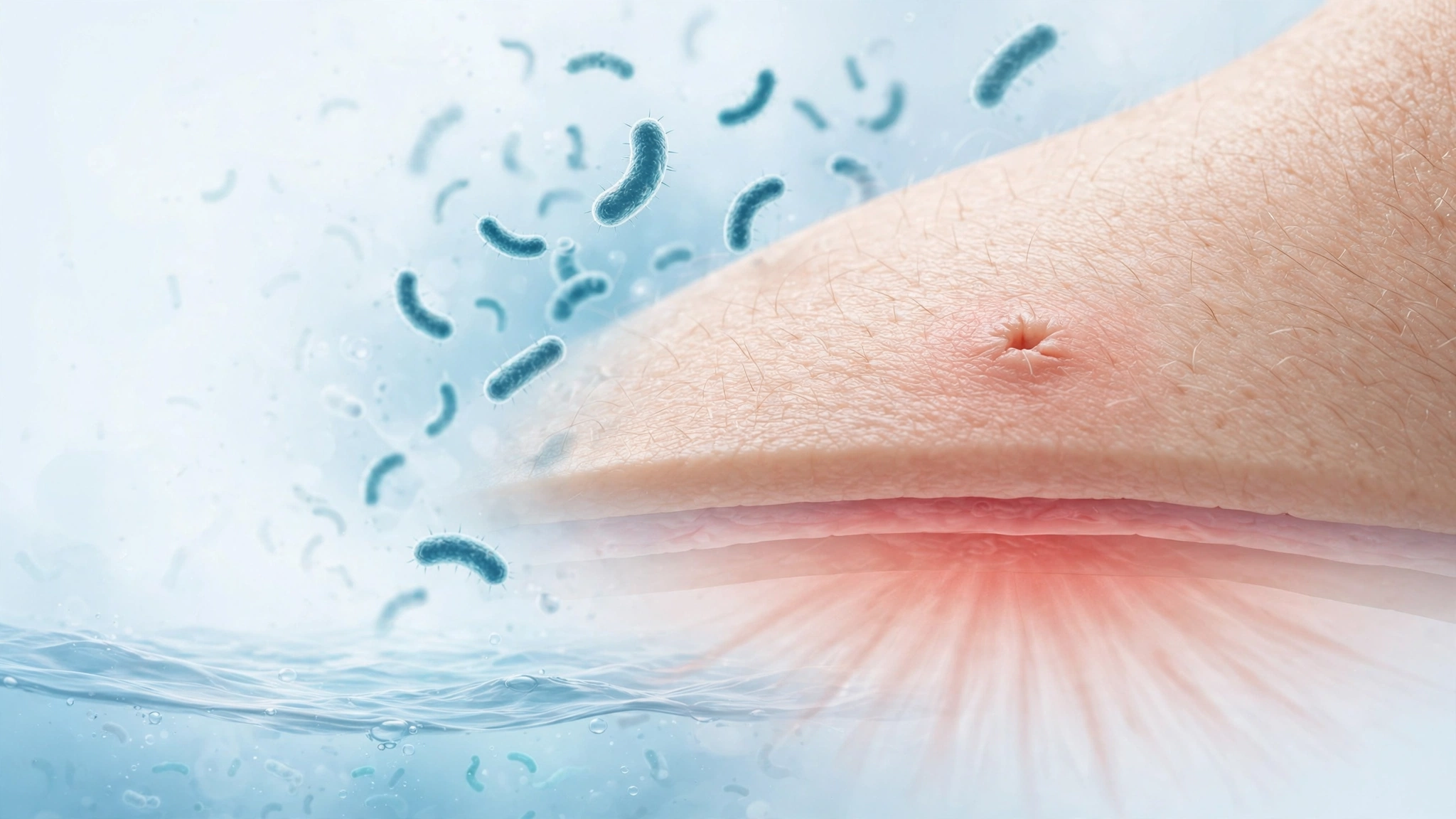
Flesh-Eating Bacteria Explained: Symptoms, Causes, Treatment & How to Stay Safe
Recent headlines about flesh-eating bacteria have alarmed people worldwide after several deaths linked to Vibrio vulnificus in the United States. While these reports are concerning, it's important to understand the facts rather than panic. These infections are very rare, but they can become life-threatening if not recognized and treated quickly.
As a pediatric doctor, one of the most important messages I share with parents and families is this: awareness saves lives, but fear does not. Knowing the warning signs, understanding who is at risk, and seeking prompt medical care can make a critical difference.
What Are Flesh-Eating Bacteria?
The term "flesh-eating bacteria" is commonly used by the media, but it is not a medical diagnosis. Doctors refer to this serious condition as necrotizing fasciitis, a rapidly progressing infection that destroys the tissues beneath the skin, including the fascia, fat, and sometimes muscle.
Several different bacteria can cause necrotizing fasciitis. The infection usually begins when bacteria enter the body through a cut, scrape, burn, surgical wound, insect bite, or another break in the skin. Once inside, they may release toxins that damage tissue and spread quickly if not treated immediately.
Although anyone can develop this infection, the vast majority of cuts and wounds do not lead to necrotizing fasciitis.
Which Bacteria Cause Flesh-Eating Disease?
Many people mistakenly believe that there is only one "flesh-eating bacterium." In reality, several bacteria can cause this condition.
1. Group A Streptococcus (Strep pyogenes)
This is the most common cause of necrotizing fasciitis worldwide. It can enter through even a tiny skin injury and spread rapidly beneath the skin.
2. Vibrio vulnificus
This bacterium lives naturally in warm coastal seawater and brackish water. Infection may occur when an open wound comes into contact with contaminated seawater or, less commonly, after eating raw or undercooked oysters.
3. Staphylococcus aureus (Including MRSA)
MRSA is a drug-resistant bacterium that can occasionally cause severe skin and soft tissue infections, including necrotizing fasciitis.
4. Mixed (Polymicrobial) Infections
Some severe infections involve several bacteria acting together, particularly after traumatic injuries, surgical wounds, or contaminated wounds.
How Do People Become Infected?
The bacteria usually need a way to enter the body. Common routes include:
- Cuts and scrapes
- Burns
- Surgical wounds
- Animal or insect bites
- Deep puncture injuries
- Open wounds exposed to warm seawater
- Handling contaminated seafood with uncovered cuts
Infections caused by Vibrio vulnificus are most common during warmer months because the bacteria multiply more rapidly in warm seawater.
Importantly, Vibrio infections are not spread from person to person.
Who Is Most at Risk?
Although healthy people can occasionally develop necrotizing fasciitis, severe disease is much more likely in people with underlying health conditions.
Higher-risk groups include:
- Diabetes
- Chronic liver disease
- Chronic kidney disease
- Cancer
- Weakened immune systems
- Organ transplant recipients
- Long-term steroid users
- Blood disorders associated with iron overload
- Older adults
- People with large wounds, burns, or recent surgery
Children can also develop necrotizing fasciitis, but fortunately it remains extremely uncommon. Parents should remember that most childhood cuts and scrapes heal without serious complications when cleaned properly.
Early Symptoms You Should Never Ignore
One of the biggest challenges is that the infection may initially resemble an ordinary skin infection. However, it progresses much more rapidly.
Seek urgent medical attention if you notice:
- Severe pain that seems much worse than the wound looks
- Rapidly spreading redness or swelling
- Fever or chills
- Blisters filled with fluid
- Purple, blue, or black discoloration of the skin
- Pus or foul-smelling discharge
- Extreme tiredness, confusion, or difficulty waking
These symptoms require immediate emergency assessment, as early treatment dramatically improves survival.
How Is Flesh-Eating Bacteria Diagnosed?
There is no single rapid test that confirms necrotizing fasciitis. Doctors make the diagnosis based on a combination of the patient's symptoms, physical examination, blood tests, imaging (such as CT or MRI when appropriate), and sometimes surgical exploration. If doctors strongly suspect necrotizing fasciitis, treatment should begin immediately without waiting for test results.
How Is It Treated?
Necrotizing fasciitis is a medical and surgical emergency. Treatment usually includes:
Immediate intravenous (IV) antibiotics to fight the infection.
Emergency surgery to remove infected and dead tissue. Some patients require more than one operation.
Intensive care (ICU) for patients with sepsis, shock, or organ failure.
Supportive care, including IV fluids, pain management, and wound care. In severe cases, skin grafting or reconstructive surgery may be needed during recovery.
Early treatment greatly improves the chances of survival and reduces the risk of complications.
How Can You Prevent Flesh-Eating Bacteria?
While these infections are rare, a few simple precautions can significantly reduce your risk.
Prevention Checklist
✔ Wash all cuts, scrapes, and wounds immediately with clean water and soap.
✔ Cover wounds with a clean, waterproof dressing until they heal.
✔ Avoid swimming in warm seawater or brackish water if you have an open wound, recent surgery, or a fresh tattoo or piercing.
✔ If a wound comes into contact with seawater, wash it thoroughly as soon as possible.
✔ Cook seafood, especially oysters, thoroughly. People with liver disease or weakened immune systems should avoid eating raw oysters.
✔ Seek medical advice if a wound becomes increasingly painful, swollen, or red.
Myths vs. Facts
Myth Fact Flesh-eating bacteria are common. They are very rare, although potentially life-threatening. Every patient loses a limb. Early diagnosis and treatment can prevent amputation in many cases. You can catch it from touching an infected person. Most cases, including Vibrio vulnificus, are not spread through casual contact. Only ocean swimmers get it. The most common cause worldwide is Group A Streptococcus, which is not related to seawater. A small cut is never dangerous. Even small wounds should be cleaned and monitored for signs of infection.
Frequently Asked Questions
Can healthy people get flesh-eating bacteria?
Yes, but it is extremely uncommon. Most severe infections occur in people with underlying medical conditions.
Can children develop necrotizing fasciitis?
Yes, but it is rare. Parents should seek urgent medical attention if a child has severe pain, rapidly spreading redness, fever, or appears seriously ill after a wound.
Is it safe to swim with a cut?
It is best to avoid warm saltwater or brackish water until the wound has completely healed.
Can antibiotics alone cure the infection?
True necrotizing fasciitis usually requires both emergency surgery and IV antibiotics.
Key Takeaways
Flesh-eating bacteria are rare but extremely serious.
The medical term is necrotizing fasciitis.
Several bacteria can cause it, including Group A Streptococcus and Vibrio vulnificus.
People with diabetes, liver disease, cancer, kidney disease, or weakened immunity are at greater risk.
Severe pain out of proportion to the wound is an important warning sign.
Rapidly spreading redness, blisters, black skin, fever, or confusion require immediate emergency medical care.
Early diagnosis, IV antibiotics, and emergency surgery save lives.
Proper wound care and avoiding seawater exposure with open wounds help prevent infection.
Do not ignore worsening wounds, even if they initially appear small.
Awareness and prompt treatment are the best defenses against this rare infection.
Final Thoughts
Recent news about flesh-eating bacteria has understandably raised concerns, but it's important to keep the risk in perspective. These infections are uncommon, and most cuts or scrapes heal without serious problems. The key is to recognize the warning signs early, practice good wound care, and seek emergency medical attention if symptoms rapidly worsen.
As a pediatric doctor, my advice is simple: don't panic—be prepared. Clean wounds properly, protect them from contaminated water, and never ignore severe pain, rapidly spreading redness, fever, or a child who suddenly appears very unwell. Early treatment can save a limb—and, more importantly, a life.
Medical Disclaimer: This article is for educational purposes only and should not replace professional medical advice. If you suspect a serious skin infection or necrotizing fasciitis, seek emergency medical care immediately.
References
Centers for Disease Control and Prevention (CDC) – Vibrio vulnificus and vibriosis guidance.
Infectious Diseases Society of America (IDSA) – Clinical Practice Guidelines for Skin and Soft Tissue Infections.
American Academy of Pediatrics (AAP) – Pediatric infectious disease recommendations.
World Health Organization (WHO) – Guidance on sepsis recognition and infection prevention.
- Can Food Really Be Medicine? Here’s What Science SaysCan food really act like medicine? Learn how healthy eating can help prevent and manage diabetes, high blood pressure, heart disease, and other chronic conditions.
- How Can I Lower My A1C and Better Manage Diabetes?Learn how to lower your A1C naturally and with proper diabetes treatment. A doctor explains evidence-based lifestyle changes, stress management, diet, exercise, and common mistakes that keep blood sugar high.
- Can Avoiding These 3 Things During Middle Age Delay Dementia Risk by 13 Years?Discover how controlling high blood pressure, diabetes, and smoking during middle age may help reduce dementia risk and protect brain health for years to come. Can Avoiding These 3 Things During Middle Age Delay Dementia Risk by 13 Years?
- Diabetic-Friendly Fruit Snacks: What Actually Works?Can people with diabetes safely eat fruit? Yes—but choosing the right fruit, eating the right portion, and understanding timing can make all the difference. This evidence-based guide explains which fruits work best for prediabetes, Type 1 diabetes, and Type 2 diabetes while debunking common myths and offering practical, everyday advice.
- Are Bamboo Toothbrushes Better Than Plastic? What the Evidence SaysAre bamboo toothbrushes really better than plastic? While bamboo toothbrushes offer significant environmental benefits due to their renewable, biodegradable handles, scientific evidence shows they clean teeth just as effectively as plastic toothbrushes when used correctly. This article examines the latest research on sustainability, oral health, hygiene, and life cycle assessments to help you make an informed, evidence-based choice.
Comments (0)
Please to leave a comment.