Can Food Really Be Medicine? Here’s What Science Says
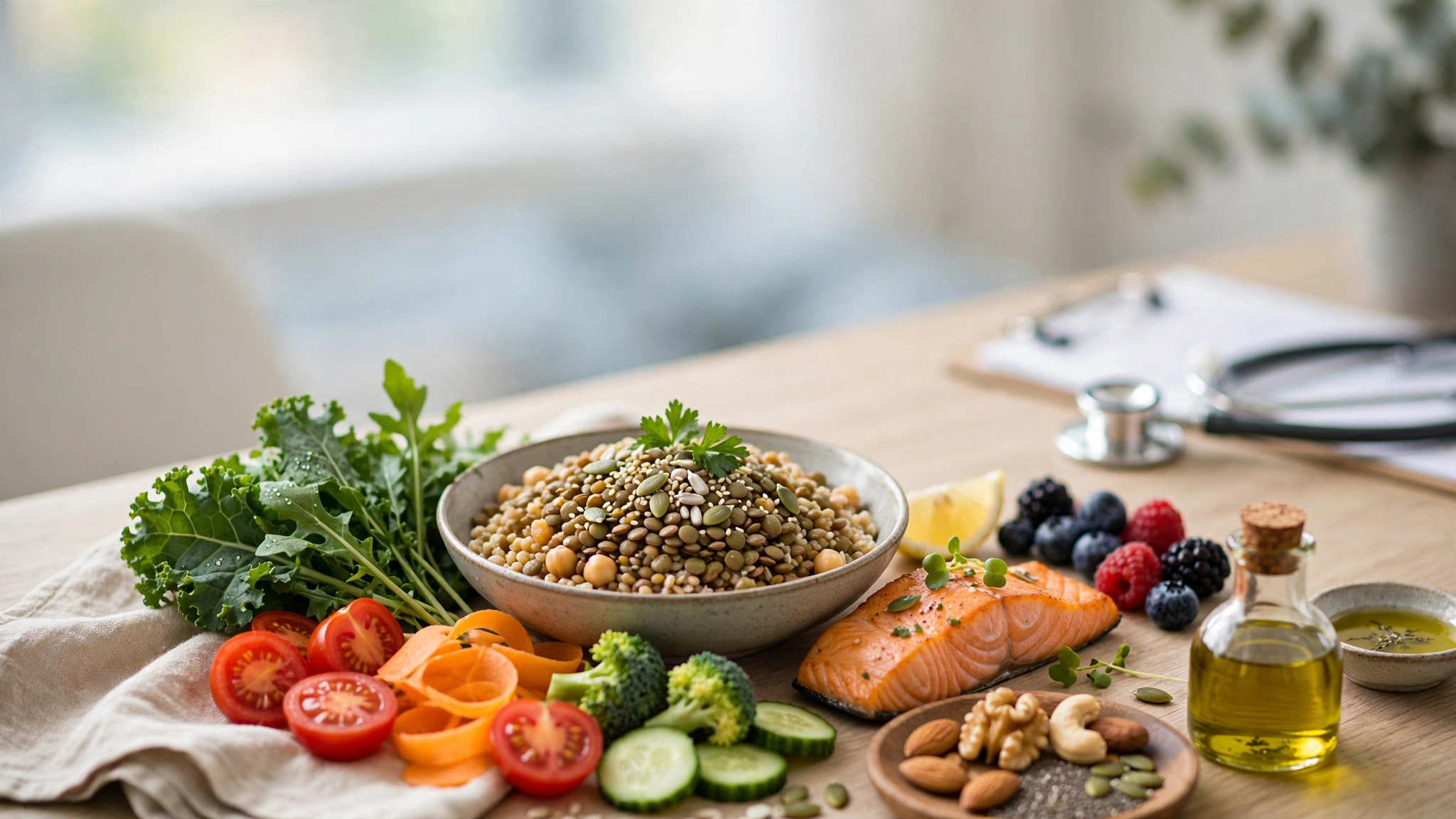
Can Food Really Be Medicine? Here’s What Science Says
Can food really be medicine? It sounds like a catchy phrase, but there is a serious scientific idea behind it.
Food cannot replace every medication or cure every disease. However, what we eat can influence blood pressure, blood sugar, cholesterol, body weight, inflammation, and cardiovascular risk. Over time, these effects can have a major impact on our health.
The World Health Organization recognizes healthy eating as an important part of preventing diseases such as diabetes, heart disease, stroke, and some other chronic conditions.
So, is food actually medicine?
The best answer is: food can act like a powerful health intervention—but it is not a miracle cure.
What Does “Food as Medicine” Actually Mean?
When people hear the phrase “food as medicine,” they may imagine a particular food that can cure a disease.
That isn't what the science means.
Instead, it refers to the way overall dietary patterns can influence the body's health and disease risk.
For example, regularly eating vegetables, fruits, legumes, whole grains, nuts, seeds, and other minimally processed foods can provide fiber, vitamins, minerals, and other beneficial nutrients. At the same time, reducing excess salt, added sugars, unhealthy fats, and highly processed foods can reduce several important health risks.
The WHO describes a healthy diet around four principles: adequacy, balance, moderation, and diversity.
In other words, your health is influenced much more by what you eat consistently than by one “superfood” you occasionally add to your diet.
Can Diet Really Affect Blood Pressure?
Yes.
One of the strongest examples is the DASH diet (Dietary Approaches to Stop Hypertension).
DASH emphasizes foods such as vegetables, fruits, whole grains, beans, nuts, and other nutrient-rich foods while limiting sodium and unhealthy fats.
Clinical research funded by the National Heart, Lung, and Blood Institute found that DASH can lower blood pressure. Combining DASH with lower sodium intake can produce an even greater effect.
This is an important example because it shows that dietary changes aren't simply theoretical. They can produce measurable physiological changes.
For someone with high blood pressure, food choices can therefore become part of a broader treatment strategy.
What About Diabetes?
Diet is also extremely important in diabetes and metabolic health.
A healthy dietary pattern, maintaining a healthy body weight, and regular physical activity can help prevent or delay type 2 diabetes. For people who already have diabetes, diet and physical activity can help with blood glucose control alongside medication when medication is needed.
This doesn't mean that someone with diabetes should simply stop taking medication and “eat healthy” instead.
Rather, it means that nutrition is one of the fundamental components of diabetes management.
The same principle applies to many other chronic diseases.
Food and Heart Health
The connection between diet and cardiovascular health is particularly important.
Unhealthy dietary patterns can contribute to obesity, high blood pressure, abnormal blood lipids, and high blood glucose—all of which can increase cardiovascular risk.
On the other hand, diets rich in vegetables, fruits, whole grains, legumes, and nuts and lower in excess salt, free sugars, and unhealthy fats are associated with better health outcomes.
This is why a heart-healthy diet isn't about finding one magical ingredient.
It is about changing the overall pattern.
Are There Any “Miracle Foods”?
Probably the biggest misconception about food as medicine is that one particular food can prevent or cure disease.
You may see claims about individual foods being described as “superfoods,” “natural medicines,” or even “cures.”
The reality is more complicated.
Blueberries, leafy vegetables, nuts, beans, fish, whole grains, and many other foods can certainly be nutritious. But eating one of them doesn't cancel out an otherwise unhealthy diet.
Think of your diet as a long-term pattern rather than a collection of isolated foods.
One healthy meal is helpful. Hundreds of healthy meals over months and years are much more powerful.
What Foods Should We Eat More Often?
A simple starting point is to make minimally processed foods the foundation of your diet.
Consider eating more:
- Vegetables
- Fruits
- Beans and lentils
- Whole grains
- Nuts and seeds
- Fish and other nutritious protein sources
- Healthy unsaturated fats
- Adequate amounts of water
At the same time, consider reducing:
- Sugary drinks
- Excess added sugar
- Highly processed foods
- Excess sodium
- Foods high in unhealthy fats
- Excessive consumption of processed meats
The WHO emphasizes that healthy diets can take different forms depending on culture, food availability, age, lifestyle, and individual needs.
That is important because there isn't one universal diet that works identically for everyone.
Can Food Replace Medication?
This is where we need to be careful.
Sometimes dietary changes can dramatically improve health, but food should not automatically be considered a replacement for medication.
For example, someone with hypertension may significantly improve blood pressure through diet, weight management, physical activity, and sodium reduction. In some circumstances, lifestyle changes can reduce the need for medication—but that decision should be made with a healthcare professional.
Similarly, people with diabetes may improve their blood glucose levels through nutrition and lifestyle changes, but many still require medication.
The safest approach is to think of nutrition as part of medical care, rather than automatically an alternative to medical care.
Does It Matter When You Start Eating Better?
Yes—but it's never too late.
Healthy eating habits established early in life can influence health throughout adulthood. At the same time, improving dietary habits later in life can still provide meaningful benefits.
The goal shouldn't be perfection.
A sustainable improvement that you can maintain for years is usually more valuable than an extremely restrictive diet that lasts only a few weeks.
How Can You Start Using Food as Medicine?
You don't need to completely change your diet overnight.
Start with a few practical changes:
1. Add more vegetables.
Try to include vegetables in your main meals.
2. Choose whole or minimally processed foods more often.
Foods closer to their natural form are generally a better foundation for your diet.
3. Replace sugary drinks.
Water is usually a simple alternative.
4. Watch your salt intake.
Reducing sodium is particularly important for people with high blood pressure.
5. Include healthy protein sources.
Beans, lentils, fish, nuts, dairy, eggs, and other appropriate sources can all contribute to a balanced diet.
6. Don't chase diet trends.
You don't need a complicated diet to eat well.
7. Focus on consistency.
Healthy eating is a long-term habit, not a short-term challenge.
The Bottom Line
So, can food really be medicine?
In a broad scientific sense, yes—but with an important qualification.
Food isn't magic, and it shouldn't be promoted as a universal replacement for medication. But dietary patterns can have powerful effects on blood pressure, blood glucose, cholesterol, body weight, and cardiovascular risk.
The strongest evidence points away from miracle foods and toward overall healthy dietary patterns.
The goal isn't to find one food that will transform your health.
It's to build a way of eating that supports your health meal after meal, day after day, and year after year.
Food may not replace medicine, but good nutrition can be one of the most powerful tools we have for preventing disease and supporting a healthier life.
- Diabetic-Friendly Fruit Snacks: What Actually Works?Can people with diabetes safely eat fruit? Yes—but choosing the right fruit, eating the right portion, and understanding timing can make all the difference. This evidence-based guide explains which fruits work best for prediabetes, Type 1 diabetes, and Type 2 diabetes while debunking common myths and offering practical, everyday advice.
- Flesh-Eating Bacteria Explained: Symptoms, Causes, Treatment & How to Stay SafeLearn what flesh-eating bacteria really are, who is at risk, early warning signs, treatment options, and how to protect yourself and your family from these rare but life-threatening infections.
- How Can I Lower My A1C and Better Manage Diabetes?Learn how to lower your A1C naturally and with proper diabetes treatment. A doctor explains evidence-based lifestyle changes, stress management, diet, exercise, and common mistakes that keep blood sugar high.
- Can Avoiding These 3 Things During Middle Age Delay Dementia Risk by 13 Years?Discover how controlling high blood pressure, diabetes, and smoking during middle age may help reduce dementia risk and protect brain health for years to come. Can Avoiding These 3 Things During Middle Age Delay Dementia Risk by 13 Years?
- Are Bamboo Toothbrushes Better Than Plastic? What the Evidence SaysAre bamboo toothbrushes really better than plastic? While bamboo toothbrushes offer significant environmental benefits due to their renewable, biodegradable handles, scientific evidence shows they clean teeth just as effectively as plastic toothbrushes when used correctly. This article examines the latest research on sustainability, oral health, hygiene, and life cycle assessments to help you make an informed, evidence-based choice.
Comments (0)
Please to leave a comment.