Are Bamboo Toothbrushes Better Than Plastic? What the Evidence Says
Are Bamboo Toothbrushes Better Than Plastic? What the Evidence Says
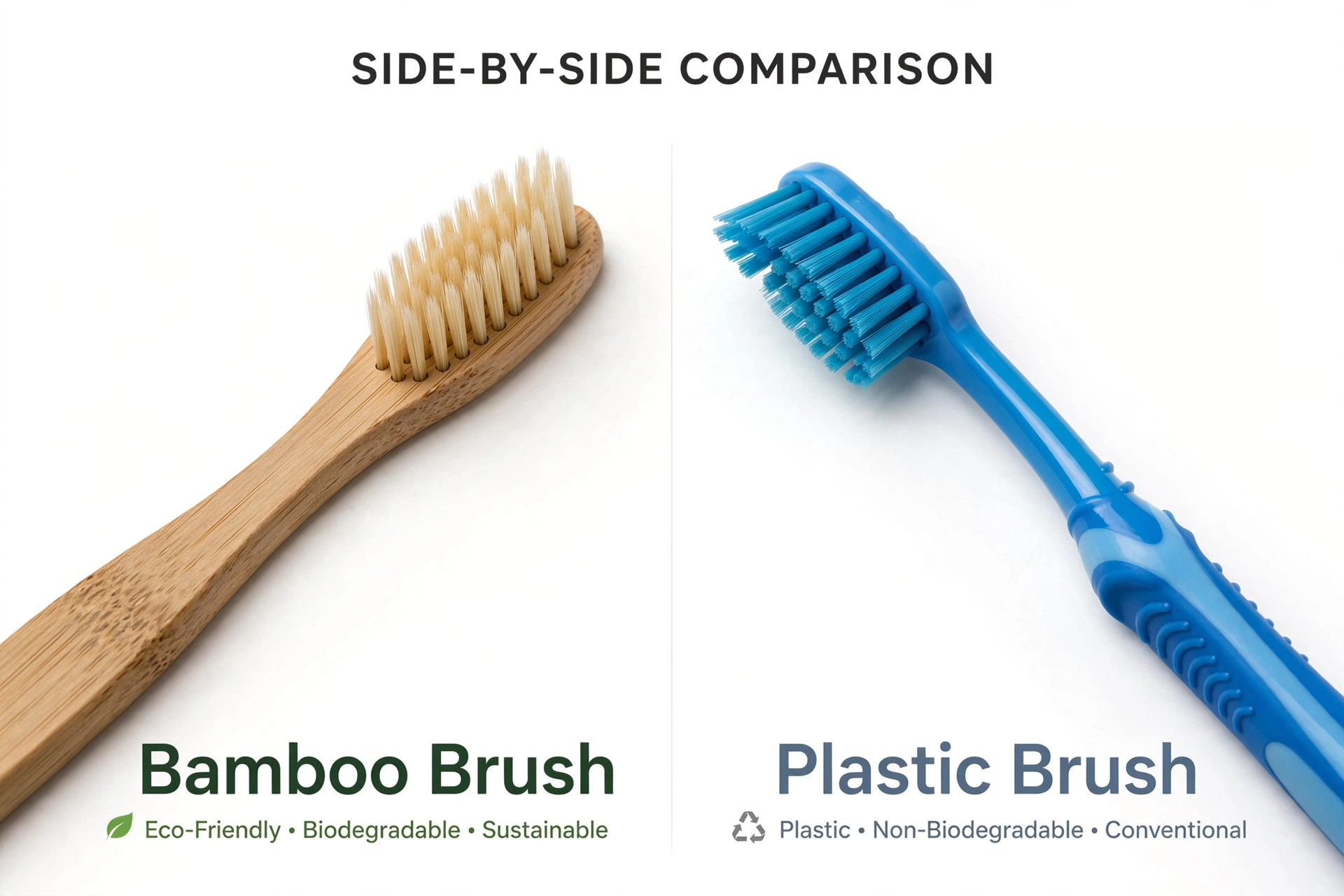
As consumers become more environmentally conscious, bamboo toothbrushes have emerged as a popular alternative to traditional plastic toothbrushes. Their natural appearance and eco-friendly marketing have led many people to wonder whether they are truly a better choice. While bamboo toothbrushes offer clear environmental advantages, the scientific evidence shows that their benefits depend on factors such as manufacturing, disposal, and user habits.
The Environmental Problem with Plastic Toothbrushes
Plastic toothbrushes are typically made from polypropylene handles and nylon bristles. These materials are derived from fossil fuels and can take hundreds of years to break down in landfills. According to the World Wildlife Fund (WWF), billions of plastic toothbrushes are discarded worldwide every year, contributing significantly to plastic pollution.
A study published in the International Journal of Environmental Research and Public Health found that replacing conventional plastic products with renewable alternatives can reduce the overall environmental burden when sustainable production and proper disposal practices are followed.
Bamboo Toothbrushes: A Renewable Alternative
Bamboo is one of the fastest-growing plants on Earth, reaching maturity in just three to five years. Unlike hardwood trees, bamboo regenerates naturally after harvesting and generally requires less water and fewer pesticides.
Life cycle assessment (LCA) studies have consistently shown that bamboo toothbrush handles generate lower greenhouse gas emissions than conventional plastic handles. Research published in the Journal of Cleaner Production reported that bamboo-based products generally have a smaller carbon footprint because bamboo absorbs carbon dioxide during growth and requires relatively low agricultural inputs.
However, most bamboo toothbrushes still contain nylon bristles, which are not biodegradable. As a result, users typically need to remove the bristles before composting the bamboo handle.
Do Bamboo Toothbrushes Clean Teeth as Well?
From an oral health perspective, the answer is yes.
Current dental research indicates that the effectiveness of a toothbrush depends primarily on brushing technique, brushing duration, and bristle design rather than the material used for the handle.
The American Dental Association (ADA) states that both manual and electric toothbrushes can effectively remove dental plaque when used correctly. There is no evidence that bamboo handles reduce cleaning performance compared with plastic handles.
A systematic review published in the International Journal of Dental Hygiene concluded that proper brushing technique has a much greater influence on plaque removal than the handle material.
Hygiene and Safety Considerations
Some manufacturers claim bamboo possesses natural antimicrobial properties because it contains compounds known as bamboo kun. While laboratory studies have demonstrated antimicrobial activity in certain bamboo extracts, there is limited clinical evidence showing that bamboo toothbrush handles reduce bacterial contamination during everyday use.
Researchers generally recommend the same hygiene practices regardless of toothbrush type:
Rinse thoroughly after use.
Store upright in an open-air holder.
Allow the brush to dry completely between uses.
Replace every three to four months or sooner if the bristles become worn.
These recommendations align with guidance from the Centers for Disease Control and Prevention (CDC) and the American Dental Association.
Limitations of Bamboo Toothbrushes
Despite their environmental benefits, bamboo toothbrushes are not without drawbacks.
First, most models are only partially biodegradable because the nylon bristles must be removed before composting. Second, transportation emissions can reduce their environmental advantage if they are shipped long distances. Finally, some lower-quality bamboo toothbrushes may be less durable in consistently damp environments if they are not allowed to dry properly.
Plastic Toothbrushes Still Have Advantages
Plastic toothbrushes remain widely available, affordable, and highly durable. They are manufactured in numerous specialized designs, including extra-soft, orthodontic, pediatric, and sensitive gum models.
Additionally, some modern toothbrushes are produced using recycled plastics or replaceable-head systems, which can reduce waste compared with replacing an entire toothbrush every few months.
What Does the Evidence Suggest?
Current scientific evidence indicates that bamboo toothbrushes offer meaningful environmental advantages over conventional plastic toothbrushes, primarily because bamboo is a renewable resource with a lower overall environmental footprint. However, they do not provide superior oral hygiene simply because they are made from bamboo.
For maintaining healthy teeth and gums, the most important factors remain:
Brushing twice daily for two minutes.
Using fluoride toothpaste.
Replacing the toothbrush every three to four months.
Maintaining proper brushing technique.
For individuals seeking to reduce plastic waste while maintaining effective oral hygiene, a well-made bamboo toothbrush represents a practical and evidence-supported alternative.
References
American Dental Association. Toothbrushes: Choosing the Right One.
World Wildlife Fund (WWF). Reports on global plastic pollution.
Journal of Cleaner Production. Life Cycle Assessment studies of bamboo-based consumer products.
International Journal of Environmental Research and Public Health. Research on renewable materials and environmental sustainability.
International Journal of Dental Hygiene. Systematic reviews on toothbrush effectiveness and plaque removal.
Centers for Disease Control and Prevention (CDC). Oral hygiene and toothbrush care recommendations.
- Are All Nicotine Products Equally Harmful? A Cardiologist Explains the Science Behind the RisksAre all nicotine products equally harmful? Learn what science says about nicotine, cigarette smoke, combustion, and the real causes of smoking-related diseases in this evidence-based guide.
- How Can I Lower My A1C and Better Manage Diabetes?Learn how to lower your A1C naturally and with proper diabetes treatment. A doctor explains evidence-based lifestyle changes, stress management, diet, exercise, and common mistakes that keep blood sugar high.
- Can Food Really Be Medicine? Here’s What Science SaysCan food really act like medicine? Learn how healthy eating can help prevent and manage diabetes, high blood pressure, heart disease, and other chronic conditions.
- Can Avoiding These 3 Things During Middle Age Delay Dementia Risk by 13 Years?Discover how controlling high blood pressure, diabetes, and smoking during middle age may help reduce dementia risk and protect brain health for years to come. Can Avoiding These 3 Things During Middle Age Delay Dementia Risk by 13 Years?
- Flesh-Eating Bacteria Explained: Symptoms, Causes, Treatment & How to Stay SafeLearn what flesh-eating bacteria really are, who is at risk, early warning signs, treatment options, and how to protect yourself and your family from these rare but life-threatening infections.
Comments (0)
Please to leave a comment.