What Are the Emotional Challenges of Being Obese and Unmarried in Your 30s?
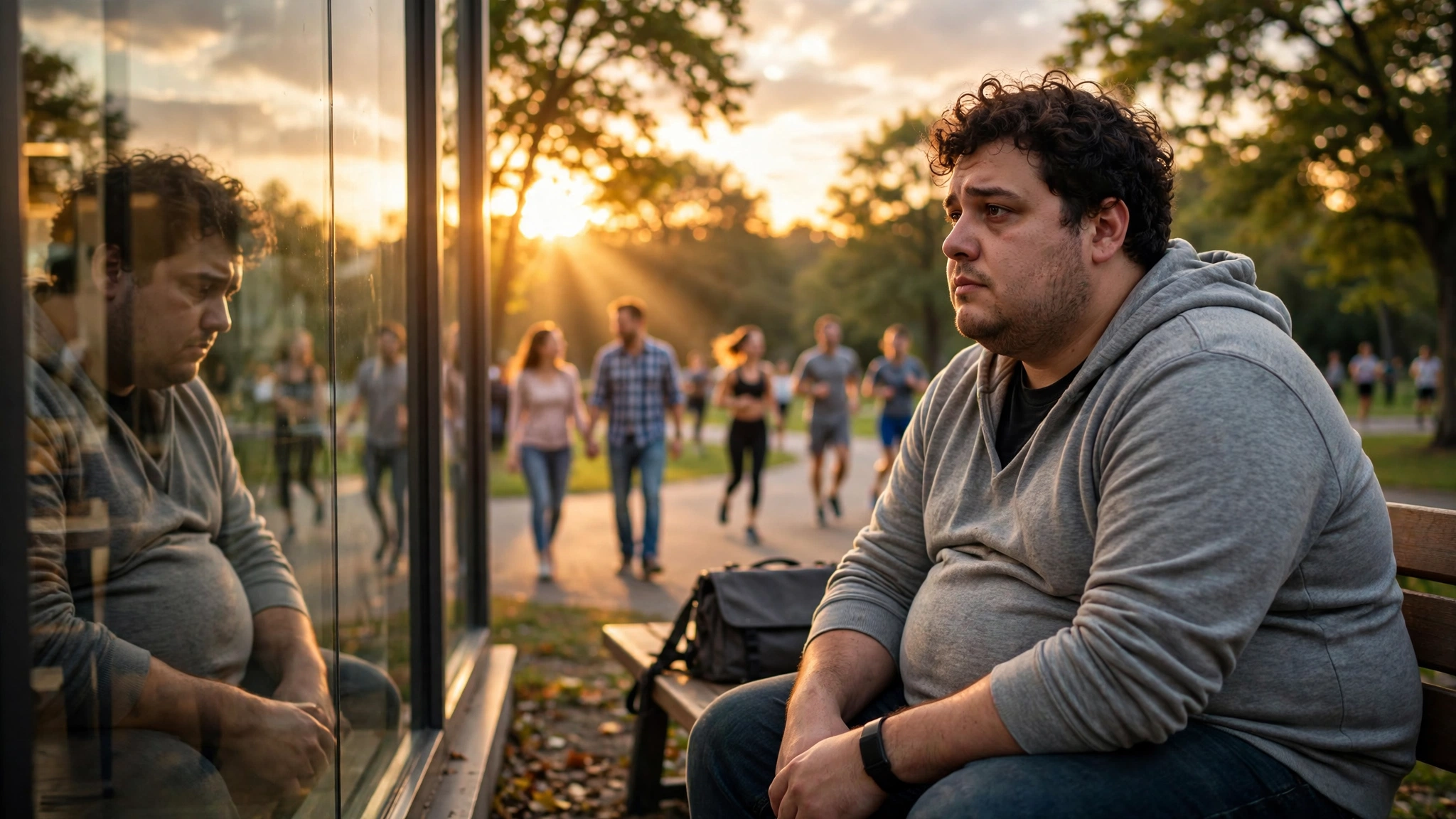
What Are the Emotional Challenges of Being Obese and Unmarried in Your 30s?
Turning 30 is often portrayed as the decade when life "comes together"—a stable career, marriage, financial security, and confidence. But for many people, reality looks very different.
If you're obese and unmarried in your 30s, you may feel like you're falling behind while everyone else is moving ahead. Social media, family gatherings, and comparisons with friends can make these emotions even stronger.
I know this because I've experienced it myself.
As a doctor, I understand the medical risks of obesity. As someone who has struggled with weight while remaining unmarried in my 30s, I also understand the emotional burden that statistics and medical textbooks don't always capture.
This article is my personal story, combined with practical advice and medical insight, for anyone who feels trapped in the same situation.
The Feeling Nobody Talks About: Being Left Behind
One of the most painful emotions isn't loneliness.
It's the feeling that life has moved on without you.
You watch classmates celebrate weddings, post family photos, and raise children while wondering why your own life hasn't followed the same path.
Although everyone's journey is different, comparison is difficult to avoid. It slowly convinces you that you're somehow "behind," even when you've achieved success in other areas such as education or career.
When Obesity Changes the Way You See Yourself
Obesity doesn't only affect your body.
It can affect your confidence, self-image, and willingness to interact with others.
For me, looking in the mirror often became a reminder of what I wanted to change. I questioned my appearance before anyone else had the chance to judge me.
Eventually, the harshest criticism came from my own thoughts.
Low self-esteem can influence how you speak, how you dress, and even whether you feel confident enough to pursue relationships.
Why Did I Become Obese?
There wasn't one single reason.
Instead, several factors slowly combined over the years:
Years spent focusing on education and professional training.
Family responsibilities that took priority.
Emotional eating during stressful periods.
A sedentary lifestyle with little structured exercise.
Ignoring calorie balance while consuming convenient, high-calorie foods.
Like many healthcare professionals, I knew what a healthy lifestyle looked like. Following it consistently was the difficult part.
Does Obesity Affect Marriage Prospects?
This is a sensitive question, but it's worth discussing honestly.
Physical appearance is only one factor in relationships. Personality, kindness, values, communication, and emotional maturity matter deeply too.
However, obesity can indirectly affect marriage prospects by reducing self-confidence, limiting social interaction, or contributing to health problems that affect quality of life.
Improving your health isn't about becoming "worthy" of love. It's about giving yourself the best opportunity to live confidently and enjoy a healthier future.
The Health Risks That Changed My Perspective
Initially, I worried mostly about appearance.
Over time, I realized the greater concern was health.
Obesity significantly increases the risk of:
Type 2 diabetes
Hypertension (high blood pressure)
Heart disease
Stroke
Obstructive sleep apnea
Fatty liver disease
Osteoarthritis
Certain cancers
The possibility of developing preventable diseases became a stronger motivation than simply wanting to lose weight.
What Helped Me Keep Going
Even during difficult periods, several things kept me moving forward.
My medical career gave me purpose.
I returned to exercise repeatedly, even after long breaks.
Most importantly, I held onto hope that my future didn't have to resemble my past.
Progress isn't always perfect. Consistency matters more than perfection.
What I Wish I Had Done in My 20s
If I could give my younger self one piece of advice, it would be this:
Take your health as seriously as your education.
I wish I had:
Exercised consistently.
Followed a balanced diet based on my daily calorie requirements.
Built healthy habits before obesity became established.
Prioritized sleep and stress management.
Small daily habits become major life outcomes over time.
Practical Steps That Can Help
If you're in a similar position, don't try to change everything overnight.
Instead:
Walk for at least 30 minutes most days.
Eat according to your calorie needs.
Include more vegetables, fruits, lean protein, and whole grains.
Reduce sugary drinks and processed foods.
Get enough sleep.
Avoid comparing your timeline with other people's.
Seek support from family, friends, or a healthcare professional if emotional eating is becoming difficult to control.
My Message to Anyone Feeling Hopeless
Here's something I remind myself regularly.
Things could always be worse.
If you're living without diabetes, hypertension, heart disease, or other obesity-related complications, you already have something to be grateful for.
Don't wait until illness forces you to change.
Your relationship status doesn't determine your worth.
Every healthy meal, every walk, every workout, and every positive choice is an investment in your future.
Marriage may happen later than expected—or it may not follow the timeline you imagined—but your health is something you can improve starting today.
Final Thoughts
Being obese and unmarried in your 30s can bring feelings of self-doubt, fear of judgment, and the sense that life is moving faster for everyone else.
Those feelings are real.
But they don't have to define the rest of your life.
The most important lesson I've learned is that change doesn't begin with waiting for the perfect moment. It begins with the next healthy decision.
Your future is still being written.
Start today.
Frequently Asked Questions (FAQs)
Can obesity affect mental health?
Yes. Obesity is associated with a higher risk of low self-esteem, depression, anxiety, and social isolation. The relationship is complex, and emotional well-being deserves as much attention as physical health.
Is it too late to lose weight in your 30s?
No. Many people successfully lose weight and improve their health in their 30s, 40s, and beyond through sustainable lifestyle changes.
Does being unmarried in your 30s mean something is wrong with you?
Absolutely not. People marry at different stages of life, and many lead meaningful, fulfilling lives regardless of their relationship status.
What's the first step toward improving confidence?
Focus on actions within your control: regular physical activity, balanced nutrition, good sleep, personal grooming, and developing supportive relationships. Confidence grows through consistent habits, not overnight transformations.
- How Did the Cockroach Janta Party Start?The Cockroach Janta Party emerged in 2026 as a satirical online movement after controversy surrounding remarks perceived as insulting to unemployed youth. Using the cockroach as a symbol of resilience, it rapidly evolved from viral memes into a broader youth-led campaign focused on unemployment, exam paper leaks, and demands for greater government accountability.
- Does Everyone Feel Jealous at Work? What's Normal?Feeling jealous at work is a normal human experience. Many people occasionally compare themselves to coworkers who receive promotions, recognition, or new opportunities. While these feelings can be uncomfortable, they don't necessarily indicate a problem. When acknowledged and managed constructively, jealousy can even highlight personal goals and motivate professional growth. However, if it becomes persistent, damages relationships, or interferes with work performance, it's important to address the underlying causes and seek support if needed.
- How Can Someone Tell If Social Media Is Harming Their Mental Health?Discover the hidden signs social media may be harming your mental health. Learn practical tips, a relatable student story, and healthy habits to regain balance.
- How to Work Alone Without Feeling IsolatedWorking alone offers freedom and flexibility, but it can also lead to loneliness if you're not intentional. Discover practical ways to stay connected, protect your mental well-being, and enjoy the benefits of working independently without feeling isolated.
- Are Humans Naturally Good or Evil? A Philosophical Journey Through Human NatureExplore the timeless question, "Are Humans Naturally Good or Evil?" through philosophy, psychology, history, and science. Discover what great thinkers like Rousseau, Hobbes, Aristotle, and Carl Jung reveal about human nature and whether our choices shape who we truly become.
Comments (0)
Please to leave a comment.